
What does a real estate CRM do?
In the fast-paced world of real estate, staying organized and efficient is essential to success. With so many clients, leads, and transactions to manage, it can be overwhelming to keep track of everything. That's where a real estate CRM comes in.
So, what is a real estate CRM? CRM stands for Customer Relationship Management, and a real estate CRM is a software solution designed specifically for the needs of real estate professionals. It is a powerful tool that helps manage all communications with both leads and clients, streamlining processes and maximizing productivity.
One of the key features of a real estate CRM is its ability to manage your pipeline. With a CRM, you can easily track the progress of each lead and deal, from initial contact to closing. This allows you to prioritize your efforts and focus on the most promising opportunities. By having a clear view of your pipeline, you can make informed decisions and allocate your time and resources effectively.
In addition to managing your pipeline, a real estate CRM also allows you to log sales activity and store contact data. This means that you can keep a detailed record of every interaction with your clients and leads, ensuring that no important information is missed. Having access to this data at your fingertips enables you to provide personalized and timely communication, building stronger relationships with your clients.
One of the biggest advantages of a real estate CRM is the time-saving automation it provides. With automated CRM workflows, you can set up predefined actions and triggers that automatically perform tasks for you. This includes sending follow-up emails, scheduling appointments, and updating contact information. By automating these repetitive tasks, you can reclaim 50% or more of your time, allowing you to focus on what you do best – closing deals.
Furthermore, a real estate CRM offers proven lead nurturing capabilities. It allows you to create targeted marketing campaigns and track the effectiveness of your efforts. By nurturing your leads with personalized and relevant content, you can increase their engagement and conversion rates. This not only saves you time and effort but also helps you maximize your return on investment.
When it comes to choosing the best real estate CRM, there are several options available in the market. It is important to consider your specific needs and requirements before making a decision. Look for a CRM that offers a user-friendly interface, robust features, and excellent customer support. Additionally, consider the scalability and integration capabilities of the CRM to ensure that it can grow with your business.
In conclusion, a real estate CRM is a game-changer for real estate professionals. By leveraging its features such as pipeline management, sales activity logging, and automation workflows, you can streamline your processes, gain valuable insights, and maximize your productivity. So, if you're looking to take your real estate business to the next level, investing in the best real estate CRM is a smart choice.
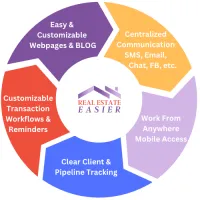
All Your Real Estate Tools And Systems In One Place


© 2026 Real Estate Easier LLC - All Rights Reserved.